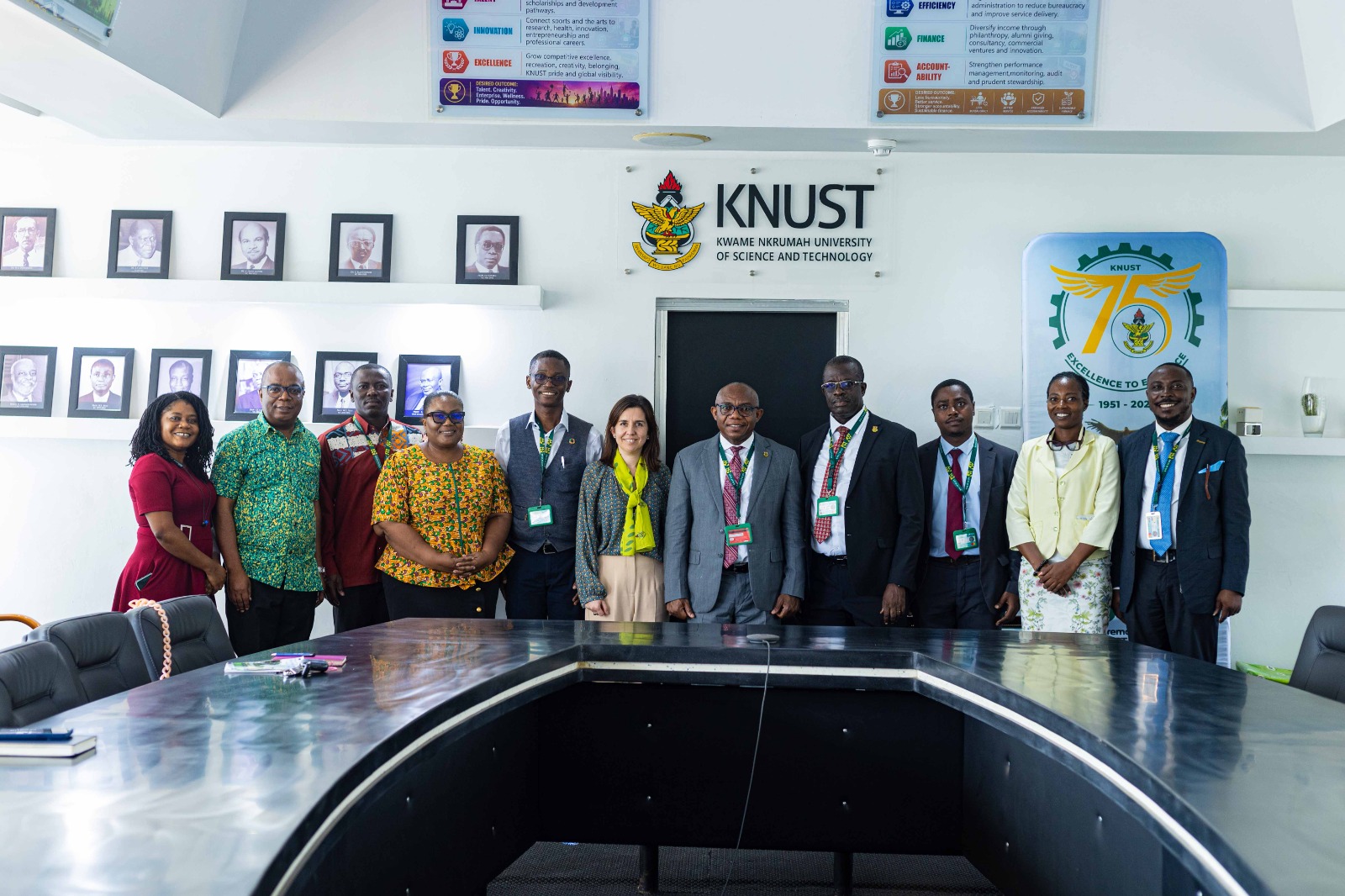
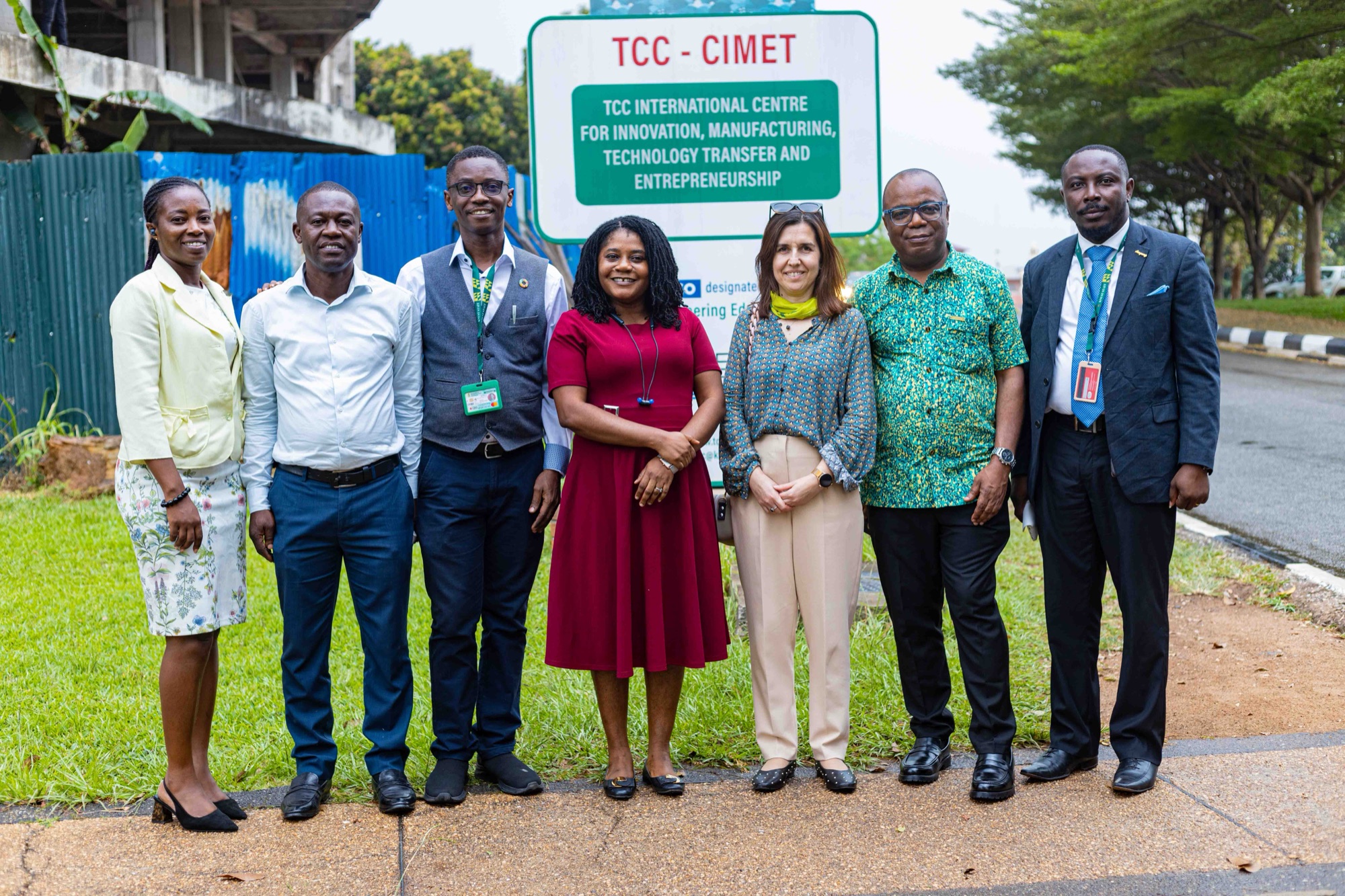
BUCABUMA Project Team Visits the Brew-Hammond Energy Centre for Knowledge Exchange
During the EACEA monitoring and evaluation visit, the BUCABUMA team met The Brew-Hammond Energy Centre at KNUST to learn from the experience of the earlier FRAME Project.
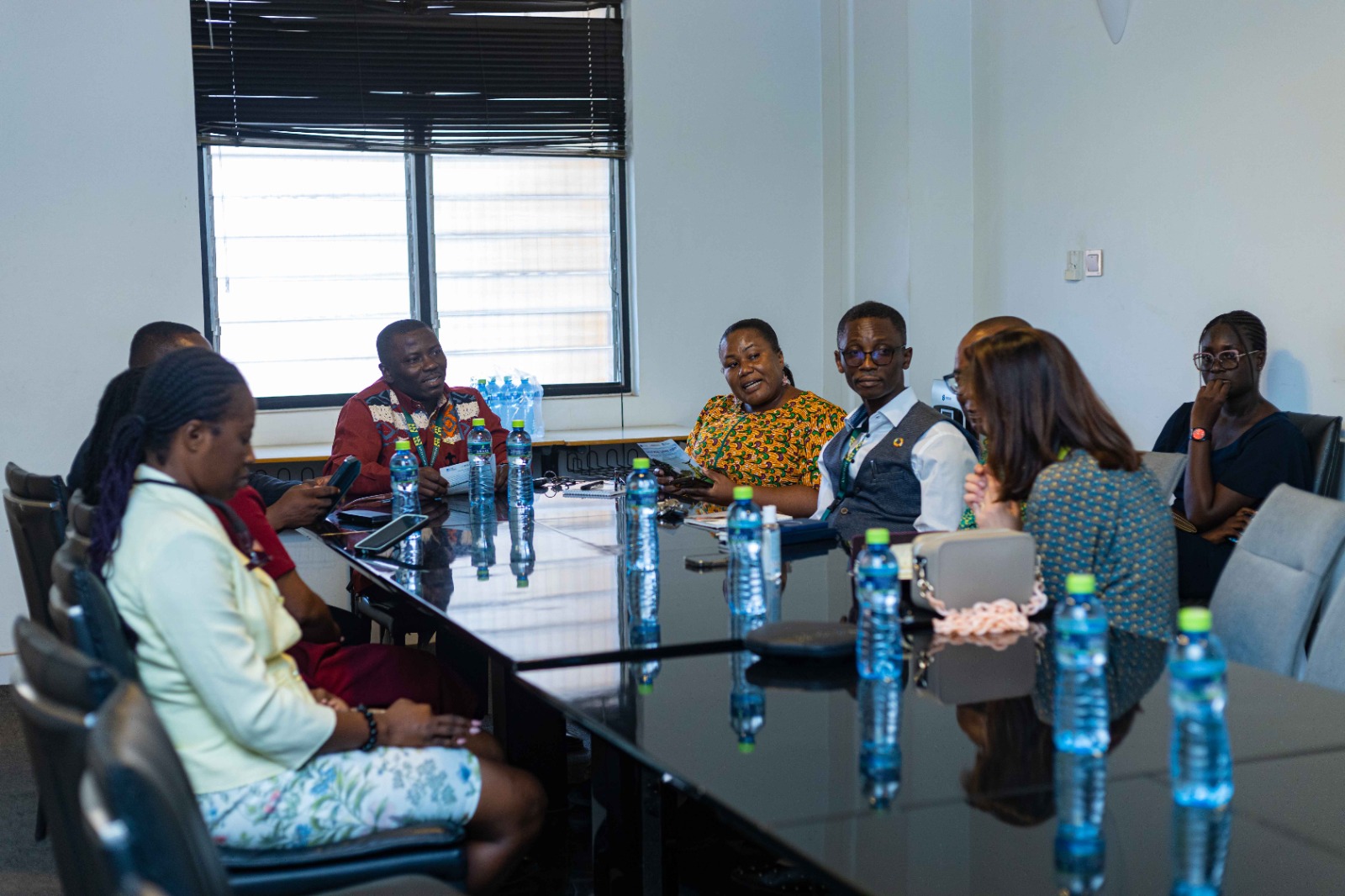
As part of the monitoring and evaluation visit by the European Education and Culture Executive Agency (EACEA), the BUCABUMA Project team visited The Brew-Hammond Energy Centre at the Kwame Nkrumah University of Science and Technology (KNUST) to learn from its experience as a partner in the earlier FRAME Project, implemented under the Intra-Africa Academic Mobility Scheme.
The engagement provided an opportunity for the two project teams to exchange experiences and discuss practical lessons that could strengthen the implementation and coordination of BUCABUMA.
Speaking on behalf of the Director of The Brew-Hammond Energy Centre, Prof. Joseph Oppong Akowuah welcomed the visiting team and assured them of the Centre's full cooperation in sharing relevant information and experiences to support the discussions.
Monitoring and Evaluation Officer at EACEA, Ms. Elif Memis Marsman highlighted the value of drawing on the experience of previous projects to anticipate and address potential implementation challenges.
“It is important to draw on the experiences gained from the implementation of FRAME, particularly the challenges encountered and the solutions developed to address them. These experiences and lessons should inform the implementation of the current mobility project, given the similarities between the two initiatives,” she said.
The BUCABUMA Project is a European Union-funded Intra-Africa Academic Mobility initiative led by the TCC International Centre for Innovation, Manufacturing, Technology Transfer and Entrepreneurship (TCC-CIMET) at KNUST under the leadership of Prof. Francis Davis, with support from the European Education and Culture Executive Agency (EACEA).
The project explores the potential of natural materials in advancing the transition towards circular and low-carbon economies, with a focus on strengthening knowledge and capacity in sustainable building materials.
Project Coordinator of the Fostering Research and Intra-African Knowledge Transfer through Mobility and Education (FRAME) Project, Prof. Lena Dzifa Mensah highlighted some of the challenges encountered during the project's implementation.
“We faced challenges in areas such as the student selection process, limited access to suitable insurance coverage, the impracticality of some insurance packages, demanding documentation requirements, tuition fee arrangements and challenges associated with credit transfer. These issues sometimes presented difficulties in coordinating student mobility and ensuring a smooth implementation of the project,” she noted.
She further highlighted that, despite the challenges encountered, the FRAME Project recorded a notable research output, with students producing 12 publications. She encouraged the BUCABUMA team to build on these experiences and remain focused on achieving strong academic and research outcomes, despite potential implementation challenges.
“Despite the challenges we faced, we were able to achieve 12 publications from our students. I believe that the issues we have discussed here will be useful to the BUCABUMA team. If you take note of these experiences and the lessons shared, you can anticipate and put measures in place to mitigate similar challenges before you encounter them,” she said.
The project brings together a consortium of academic and research institutions from Africa and Europe, including KNUST (Ghana) under the leadership of Prof. Christian Agyare, the University of Nairobi (Kenya), Addis Ababa University College of Technology and Built Environment (Ethiopia), the University of the Witwatersrand (South Africa) and the Karlsruhe Institute of Technology (Germany). The CSIR-Building and Road Research Institute (CSIR-BRRI), Ghana, serves as an Associate Partner.
The BUCABUMA Project Coordinator, Prof. Alexander Marful, thanked The Brew-Hammond Energy Centre team for their time, contributions and willingness to share their experiences. He assured them that the insights and recommendations shared during the engagement would be taken into consideration in guiding the implementation of the BUCABUMA Project.