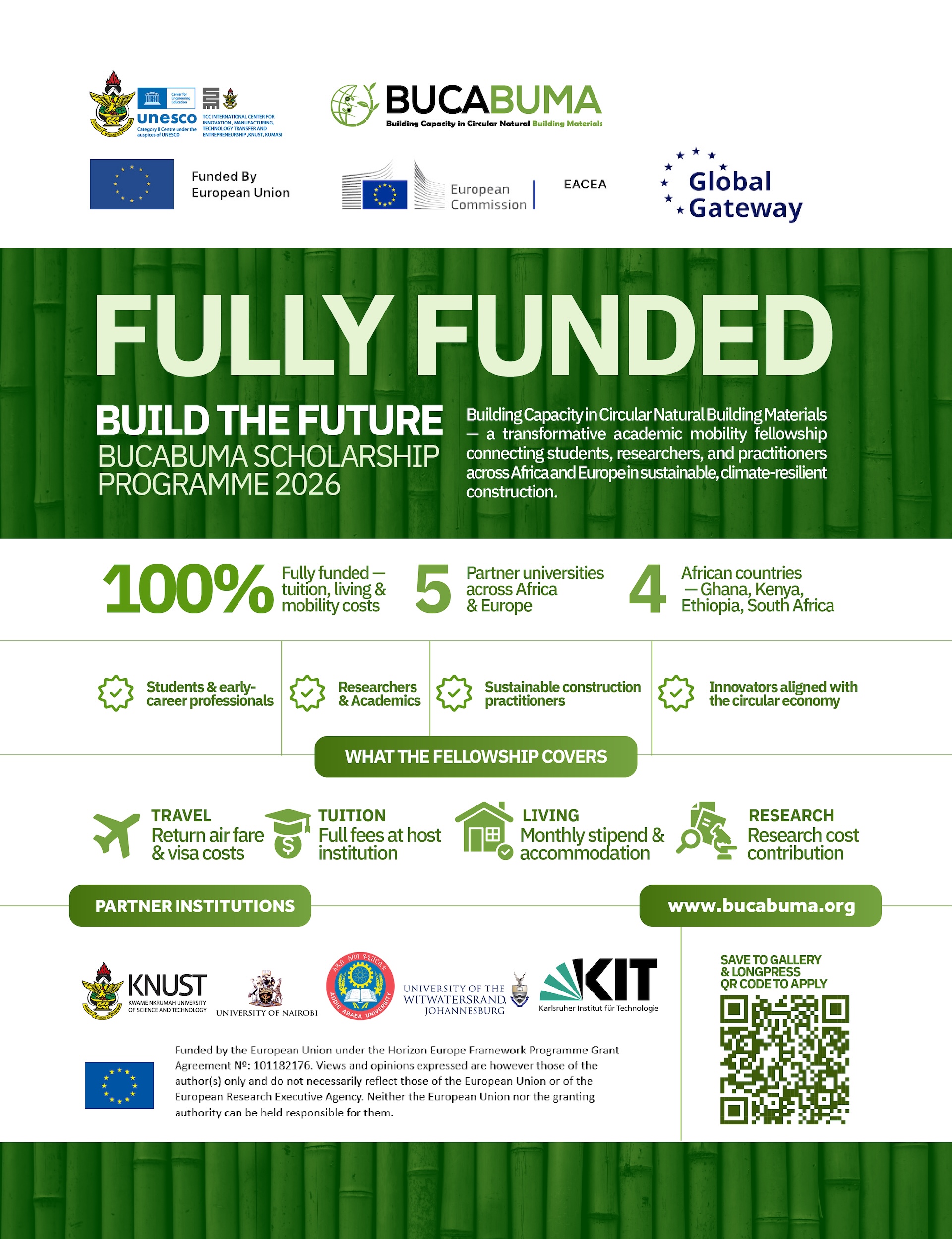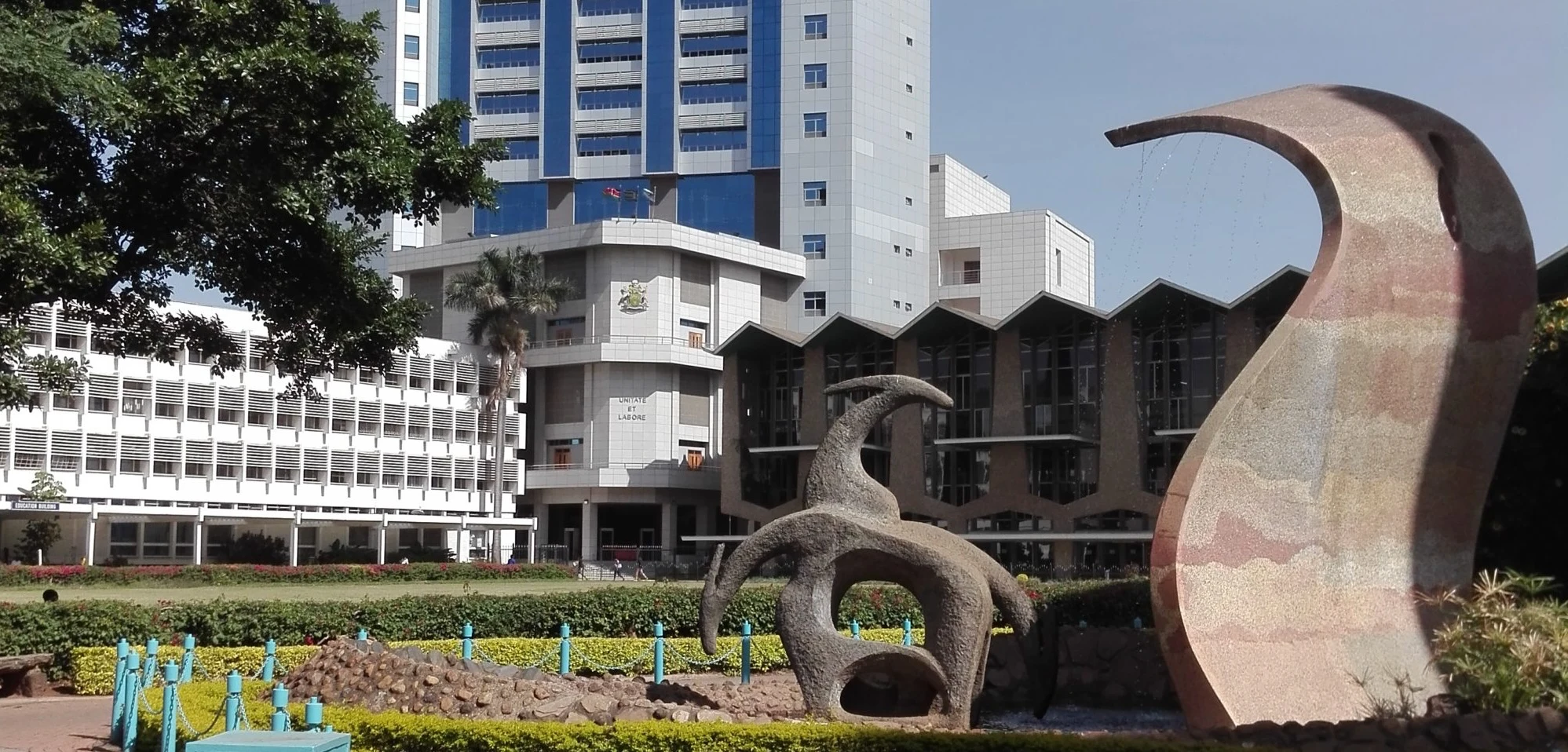
University of Nairobi
Nairobi, Kenya — East Africa's Premier Research University and a core partner in the BUCABUMA programme.

UoN
University of Nairobi, Kenya — Committed to Scholarly ExcellenceBUCABUMA partner since programme launch
The University of Nairobi is Kenya's oldest and largest public university, founded in 1956. Home to approximately 45,000 students and over 4,000 staff, UoN is the region's foremost institution for research, innovation, and professional training. Through its Faculty of the Built Environment and Design, UoN brings world-class expertise in architecture, sustainable construction, and circular economy research — making it an indispensable partner in the BUCABUMA programme.
Partner Profile
About the Institution
Established in 1956 as the Royal Technical College of East Africa and formally constituted as the University of Nairobi by the University of Nairobi Act in 1970, UoN is Kenya's premier institution of higher education. The university's main campus is located in the heart of Nairobi, with satellite campuses across Kenya including Chiromo, Upper Kabete, Lower Kabete, Kikuyu, and Mombasa, enabling it to serve learners from across East and Central Africa.
Home to approximately 45,000 students and more than 4,000 members of staff, UoN tackles global challenges through diverse research efforts aligned with national and international development goals. The university's Faculty of the Built Environment and Design (FBED) is its primary academic home for BUCABUMA participation, hosting departments in Architecture, Construction Management, Real Estate, Urban Planning, and Building Science — all of which intersect directly with the programme's thematic focus on circular natural building materials.
Expertise & Alignment
Focus Areas Relevant to BUCABUMA
UoN's academic and research strengths align directly with BUCABUMA's thematic pillars across the following areas:
Bio-based & Natural Building Materials
Active research on bamboo, agricultural waste by-products, mycelium, and other circular biobased materials in construction.
Circular Economy in Construction
Research on construction and demolition waste reuse, circular material flows, and affordability-driven circularity strategies in Kenya.
Green & Sustainable Building Design
IFC-partnered training in bioclimatic design, resource efficiency, water, lighting, and ventilation for climate-responsive buildings.
Environmental Design & Sustainability
Dedicated research team within the Department of Architecture focusing on reducing non-renewable resource consumption and building performance.
Urban Planning & Informal Settlements
Research on sustainable urbanisation, affordable housing, and green infrastructure for rapidly growing East African cities.
Capacity Building & Professional Training
Postgraduate and professional development programmes in construction, real estate, and built environment aligned with SDG targets.
Who to Contact
Contact Persons
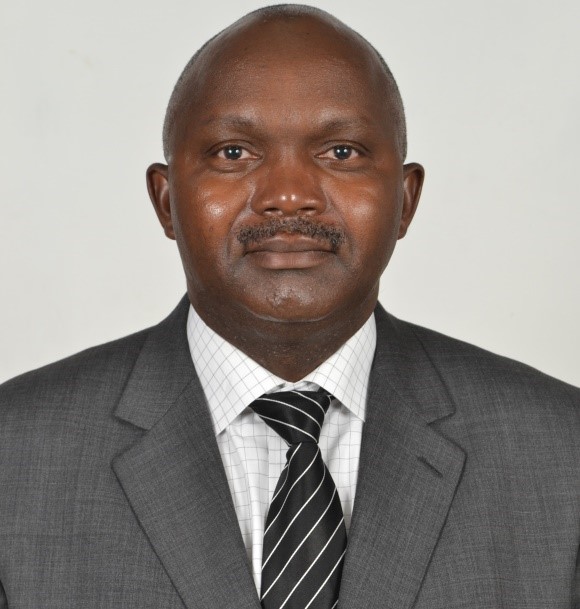
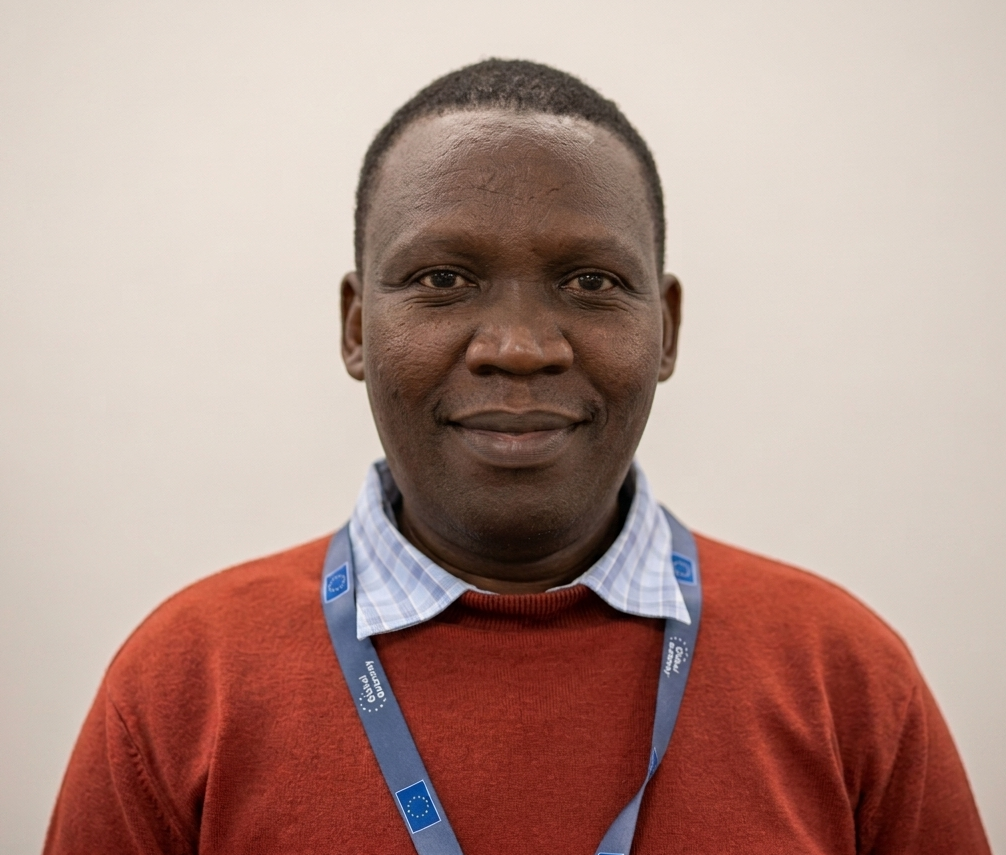
For enquiries related to BUCABUMA participation at UoN, reach the relevant contacts below. For general institutional matters, use UoN's main channels.
Apply Through the BUCABUMA Portal
UoN applicants must submit their applications exclusively through the BUCABUMA digital portal. The process is fully paperless, transparent, and centrally administered.